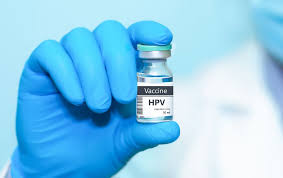
HPV Vaccine: Shield Against Cervical Cancer & More
Human Papillomavirus (HPV) is one of the most common viral infections in the world, transmitted primarily through skin-to-skin contact during sexual activity. While many HPV infections go away on their own, some types can lead to serious health problems — including cervical cancer, genital warts, and other cancers such as anal, throat, penile, and vulvar cancers.
🔬 What is the HPV Vaccine?
The HPV vaccine is a preventive vaccine designed to protect against the most harmful strains of the Human Papillomavirus. It works by stimulating the immune system to produce antibodies that can fight the virus before it causes infection.
There are different types of HPV vaccines available globally (such as Gardasil and Cervarix), which provide protection against multiple high-risk HPV strains, especially types 16 and 18, which cause the majority of cervical cancer cases.
🎯 Who Should Get the HPV Vaccine?
Girls and boys aged 9 to 14 years: The vaccine is most effective when given before any exposure to the virus, ideally before becoming sexually active.
Adolescents and young adults up to 26 years: If not vaccinated earlier, catch-up vaccination is strongly recommended.
Some adults aged 27 to 45 years may also benefit, depending on individual risk factors (consult your doctor).
🛡️ Why is the HPV Vaccine Important?
Prevents Cervical Cancer: Over 95% of cervical cancer cases are caused by HPV. Vaccination can dramatically reduce this risk.
Reduces Genital Warts and Other Cancers: In addition to cervical cancer, the vaccine helps prevent other HPV-related conditions affecting both men and women.
Safe and Proven: Extensive research and global use show the vaccine is safe, with only mild side effects like soreness at the injection site.
Long-Term Protection: Studies suggest the vaccine provides strong, lasting protection for many years — possibly for life.
⏱️ When and How is it Given?
Dosage: Typically, two doses are recommended for those under 15 years. Individuals 15 or older usually receive three doses.
Schedule: The doses are spaced over a 6–12 month period depending on age and medical advice.
Mode: Administered as an injection, usually in the upper arm.
💬 Myths vs. Facts
Myth Fact
"HPV vaccine encourages early sexual activity." There's no evidence supporting this. The vaccine is about health and prevention.
"Only girls need it." Boys also need protection against HPV-related cancers and can transmit the virus.
"I'm too old to get vaccinated." You may still benefit—consult your doctor to assess your risk.
✅ Take the First Step Towards Protection
HPV-related cancers are preventable — and the vaccine is your best defense. Whether you're a parent looking to protect your child, or a young adult considering your own health, getting vaccinated is a smart, safe, and responsible decision.
Talk to your healthcare provider today about the HPV vaccine and take a powerful step towards a cancer-free future.